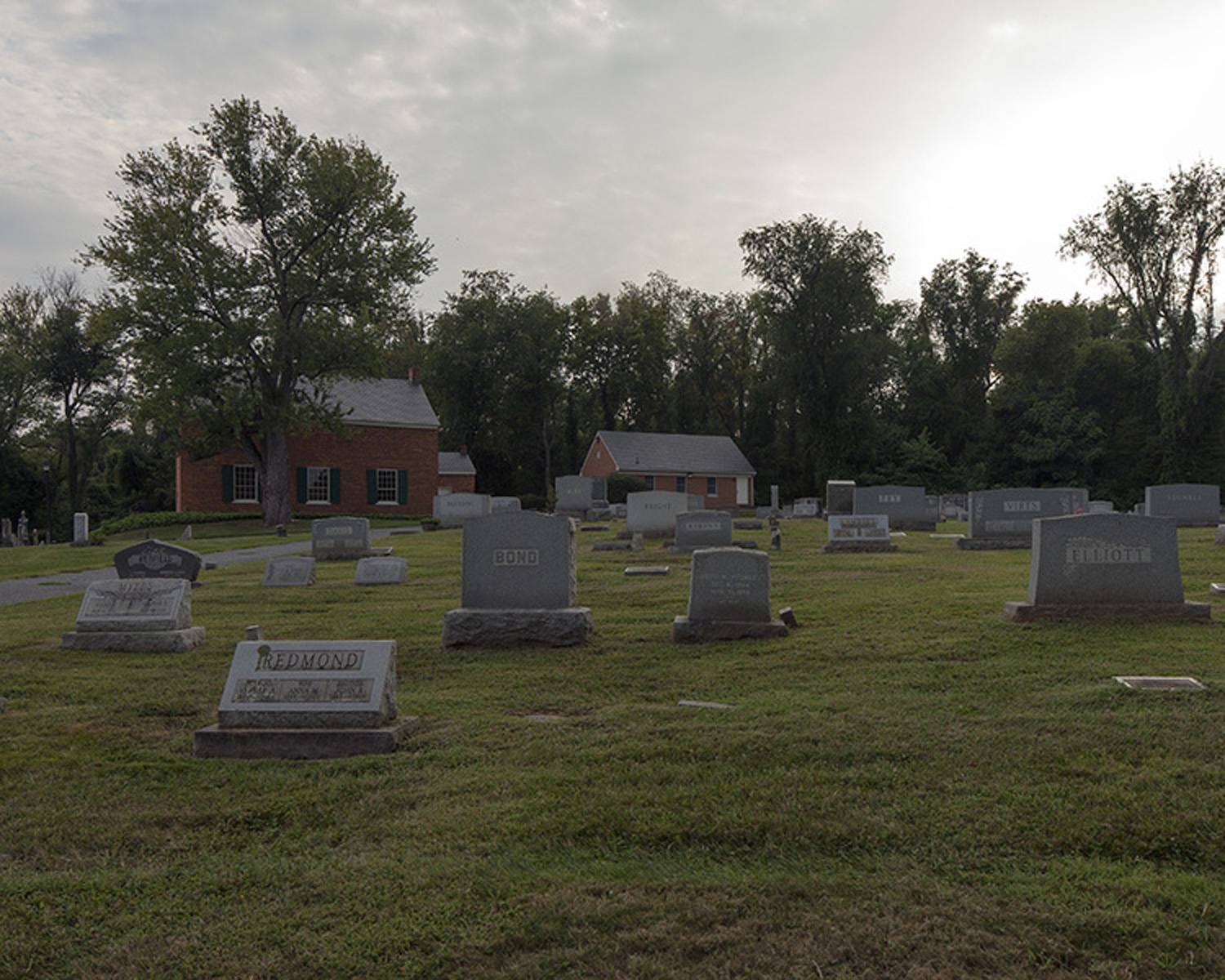
St. Paul's Episcopal Church — Point of Rocks, Frederick County, Maryland A late Federal-style brick church built in 1842 near Point of Rocks, Maryland, constructed primarily by enslaved labor on land donated for the parish. The church and the surrounding Cooling Springs area are tied to the Underground Railroad corridor that ran along the Potomac toward Pennsylvania.
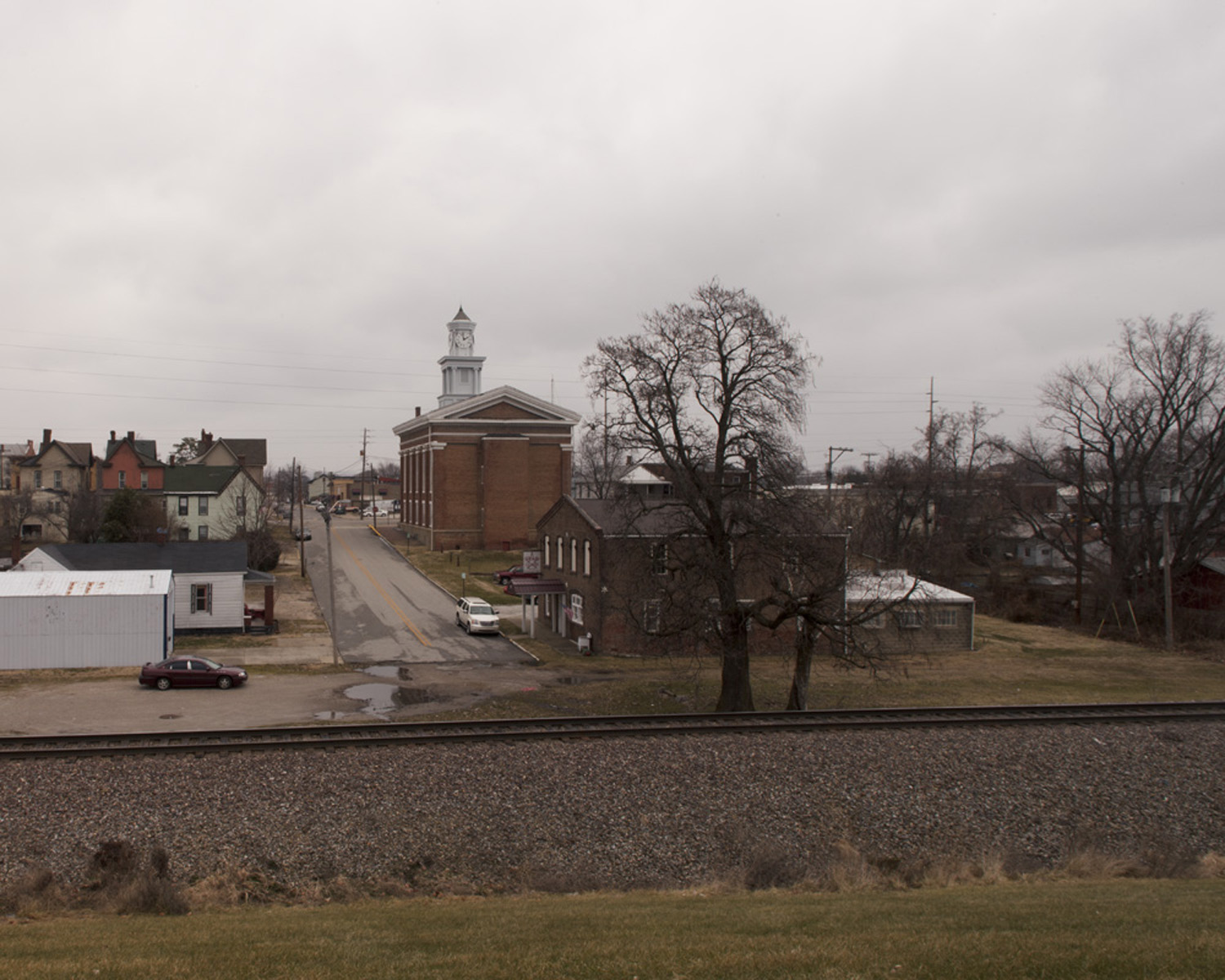
Second Baptist Church — New Albany, Indiana Founded in 1844 in New Albany, Indiana, on the north bank of the Ohio River, this Black congregation served as a critical first stop for freedom seekers crossing from slaveholding Kentucky. Its members worked alongside abolitionist networks moving people north toward Indianapolis and the Great Lakes.
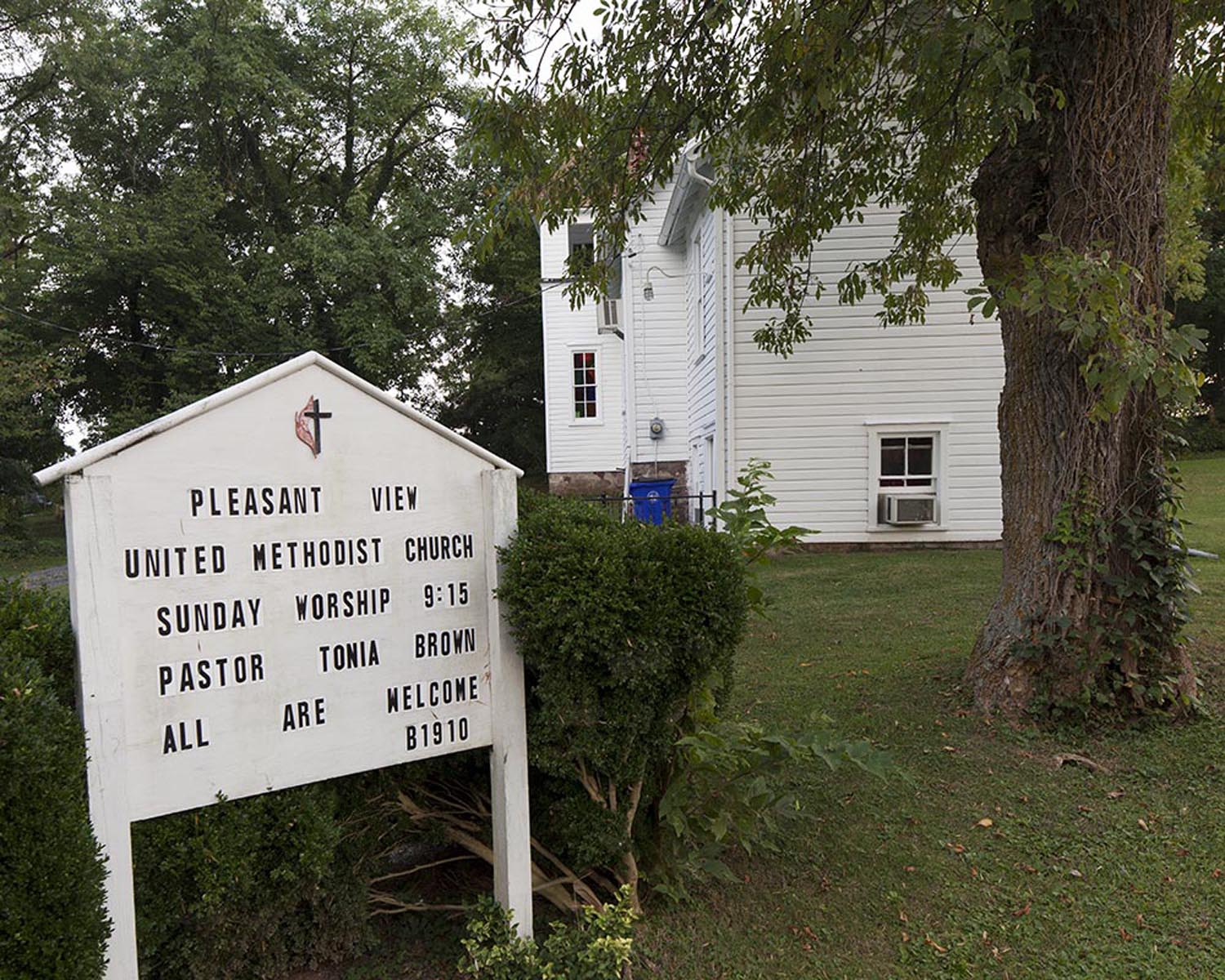
Pleasant View United Methodist Church — Maryland A historic Black Methodist congregation whose members anchored a free Black community active in aiding freedom seekers. AME and Black Methodist churches across the mid-Atlantic functioned as both spiritual centers and trusted nodes in local Underground Railroad networks.
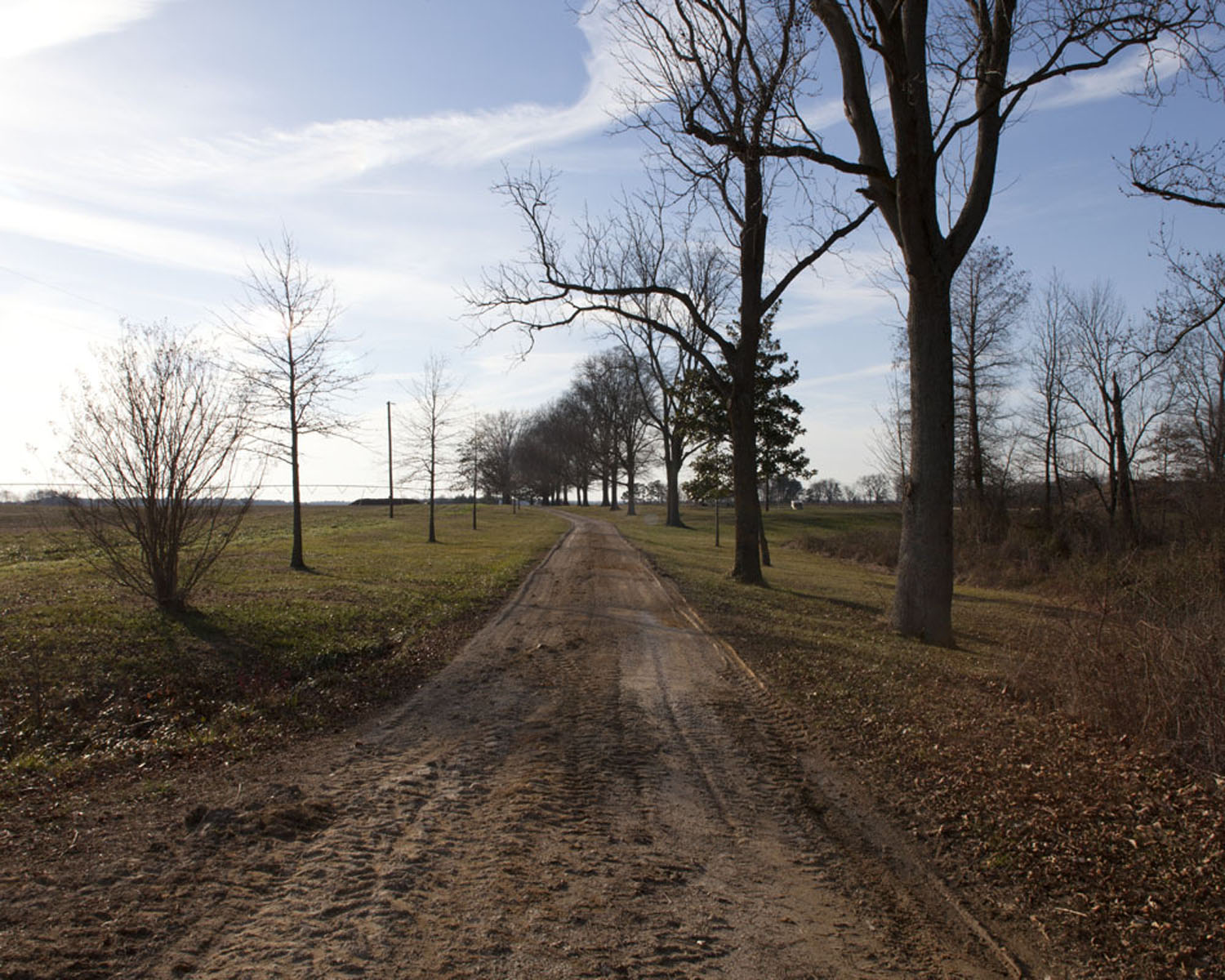
Tuckahoe Neck Meeting House — Denton, Caroline County, Maryland Built in 1803 in Caroline County, Maryland, this was one of five Quaker meeting houses on the Eastern Shore whose members sustained a local Underground Railroad network. Quaker abolitionist Hannah Leverton, who ran the only surviving documented station house on the Eastern Shore with her husband Jacob, worshipped and spoke here.
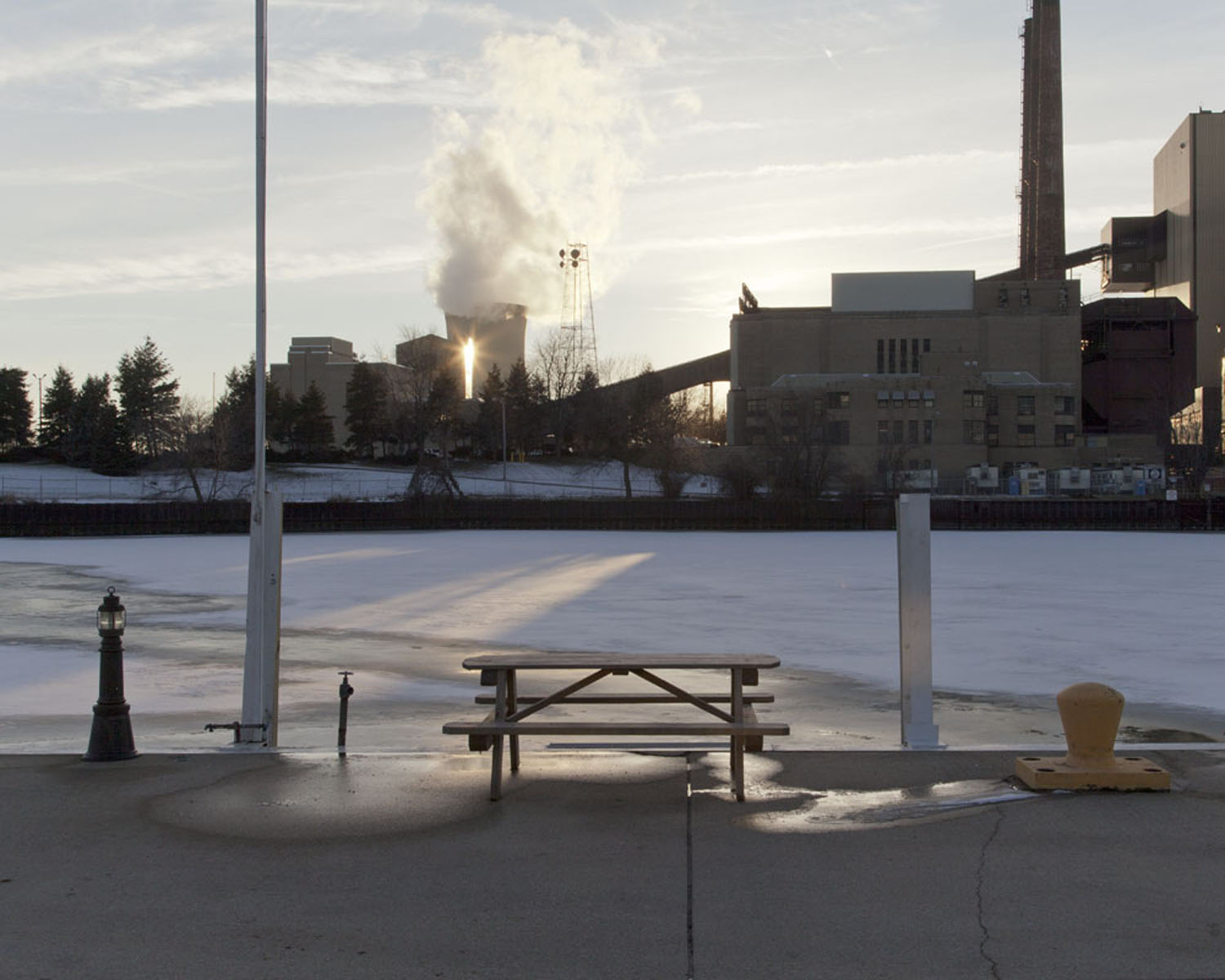
Michigan City — Michigan City, Indiana A Lake Michigan port that served as one of the northernmost Indiana terminals on the Underground Railroad, where freedom seekers could board lake schooners bound for Detroit, Wisconsin, or directly to Canada. Its industrial waterfront marked the end of the long overland journey from the Ohio River.
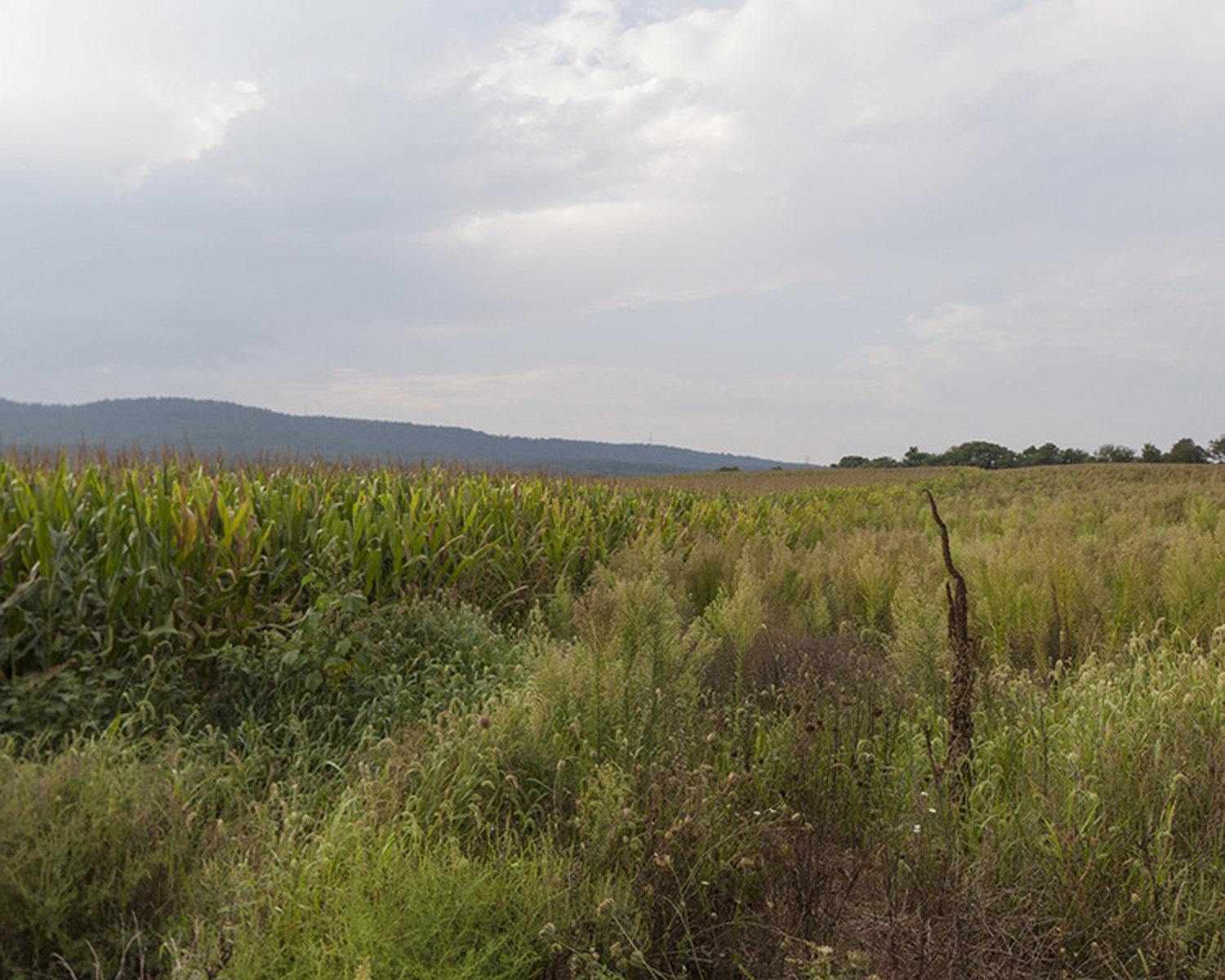
Michael's Farm (Cooling Springs Farm) — Frederick County, Maryland A Frederick County, Maryland farm purchased by the Michael family in 1768 and used by them as an Underground Railroad safe house through the end of the Civil War. The stone springhouse, set near the Baltimore and Ohio Railroad tracks that bisected the farm, sheltered freedom seekers including members of the Wanzer party on Christmas Eve, 1855.
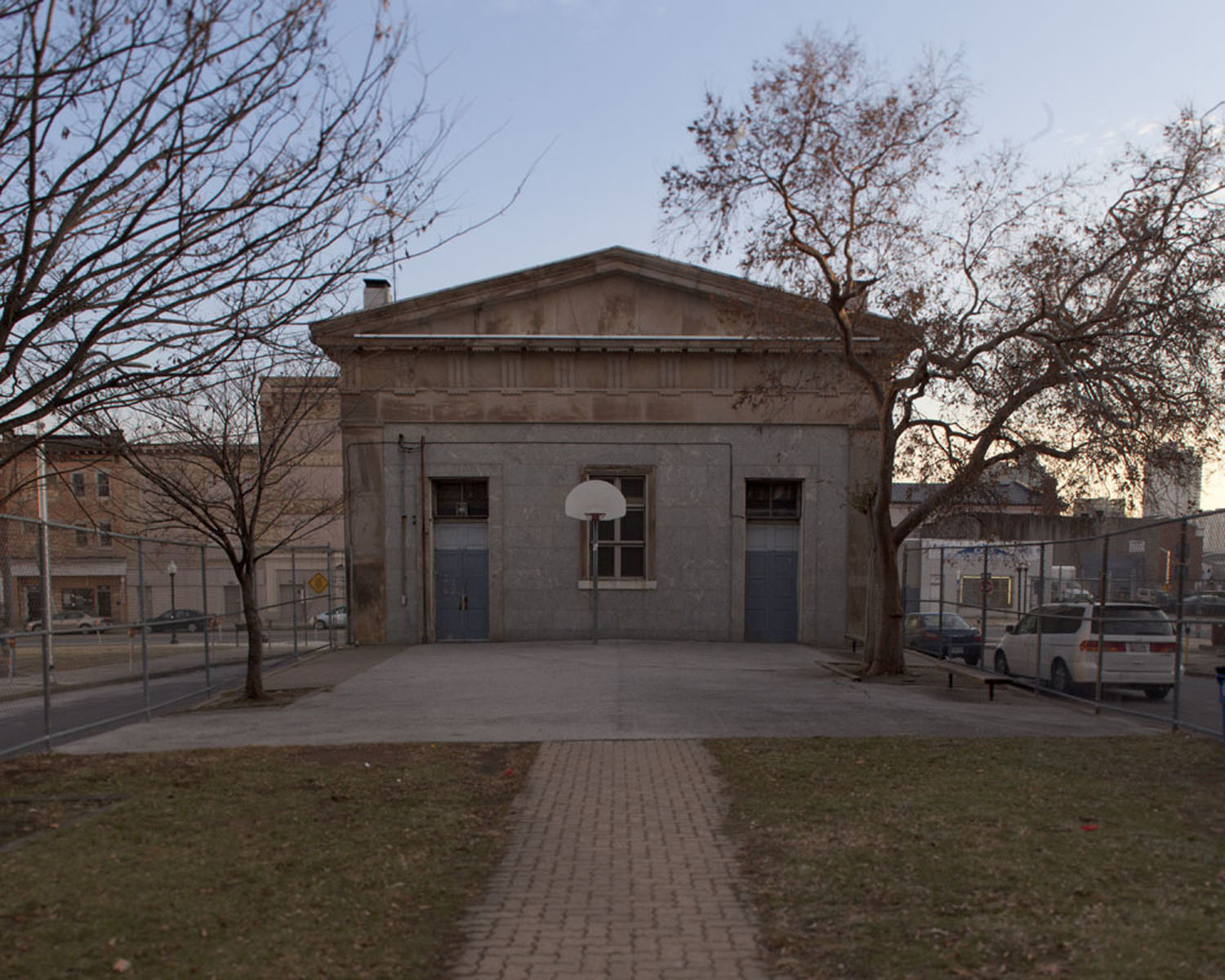
McKim Free School — Baltimore, Maryland A Greek Revival schoolhouse completed in 1833 in Baltimore by Quaker philanthropist John McKim to educate poor and free Black children at a time when teaching Black literacy was deeply controversial. The school produced generations of literate free Blacks who became key figures in Baltimore's abolitionist and Underground Railroad networks.
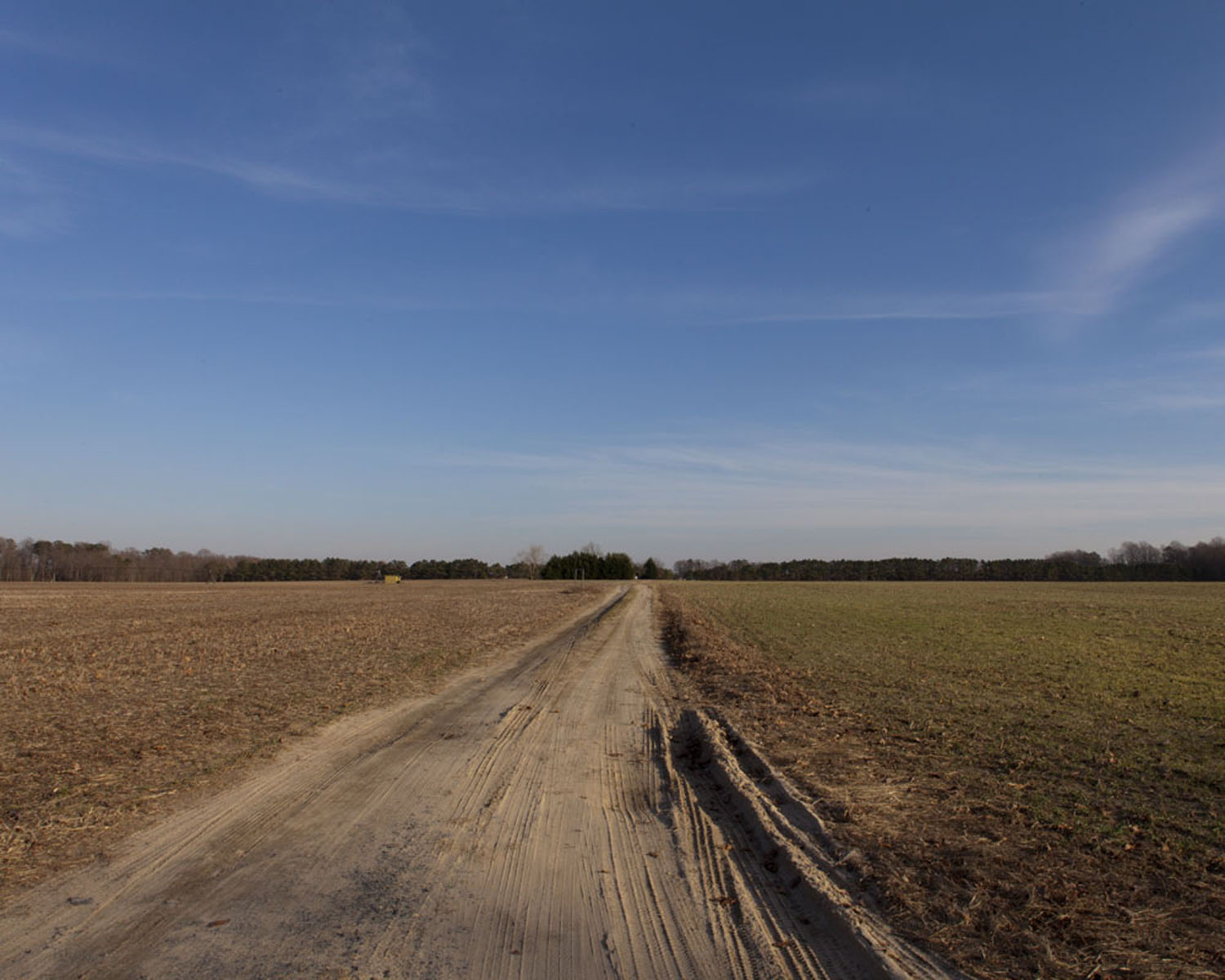
Leverton House — Preston, Caroline County, Maryland The Preston, Maryland home of Quaker abolitionists Jacob and Hannah Leverton, today the only surviving documented Underground Railroad station house on Maryland's Eastern Shore. It anchored a tight network of nearby safe houses along the route Harriet Tubman used to lead freedom seekers north.
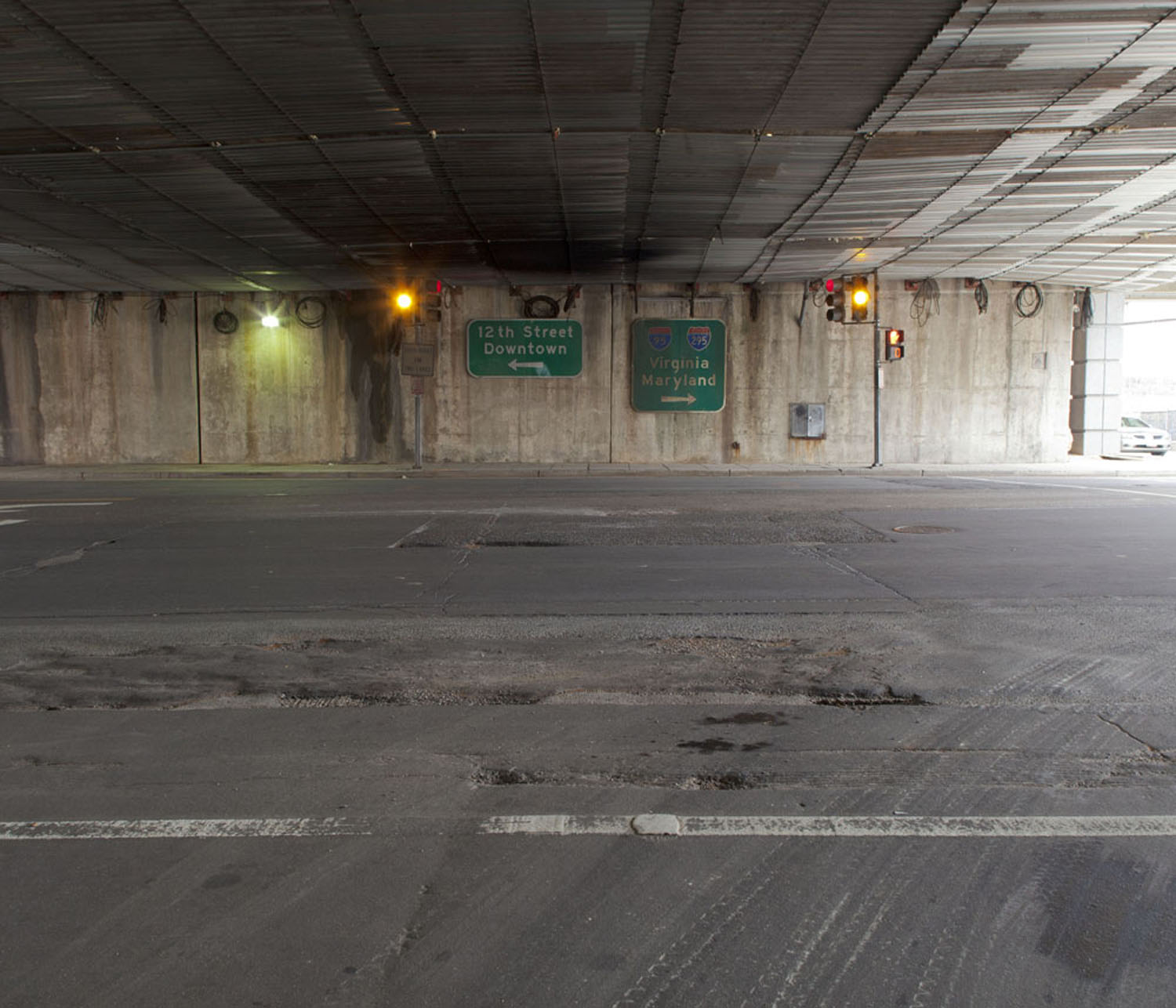
Home of Anthony Bowen — Washington, DC The Washington, DC residence of Anthony Bowen, a free Black man, government clerk, and AME minister who sheltered freedom seekers arriving in the capital, often meeting them at the nearby steamboat wharf. He went on to found the first YMCA for Black men in the United States in 1853.
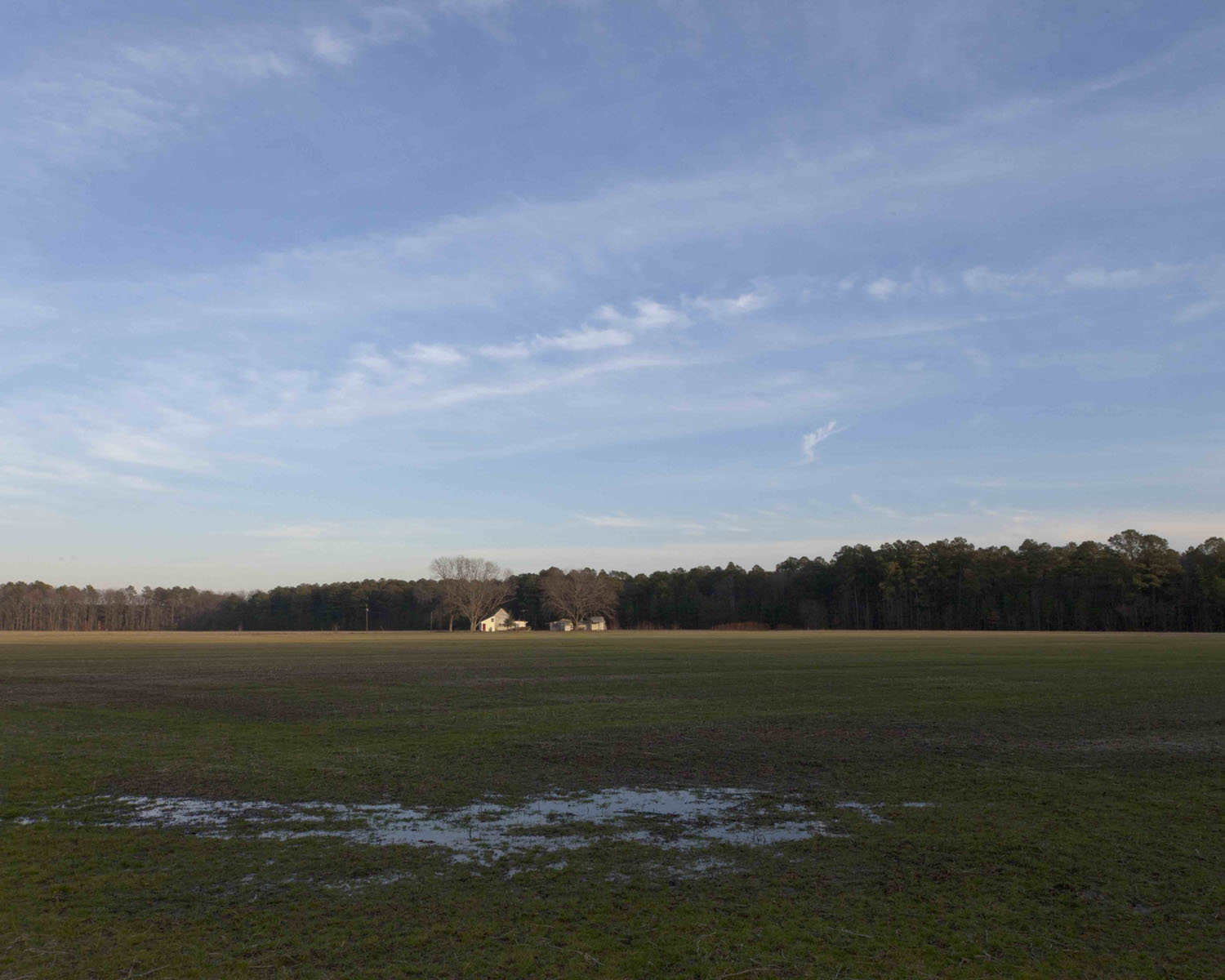
Harriet Tubman's Birthplace — Brodess Farm, Dorchester County, Maryland The Brodess Farm area in Dorchester County, Maryland, where Araminta "Minty" Ross, later Harriet Tubman, was born into slavery around 1822. The surrounding fields and woodlands shaped her intimate knowledge of the terrain she would later use to guide approximately 70 freedom seekers north.
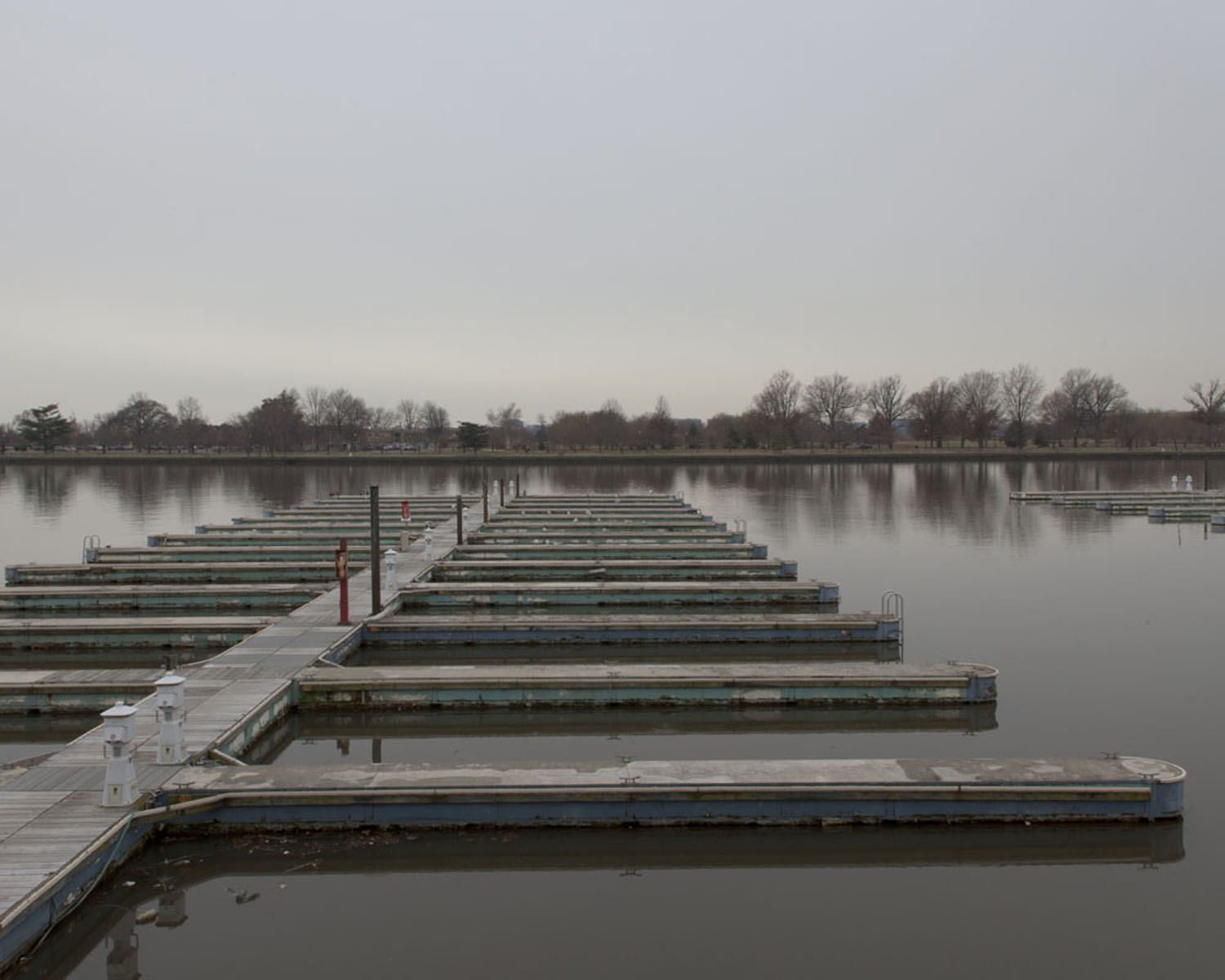
Gangplank Marina — Washington, DC The Potomac wharves at the modern Gangplank Marina mark the embarkation point for the 1848 Pearl incident, when 77 enslaved people boarded the schooner Pearl in the largest single attempted escape in U.S. history. The vessel was overtaken at the mouth of the Potomac and the freedom seekers were captured.
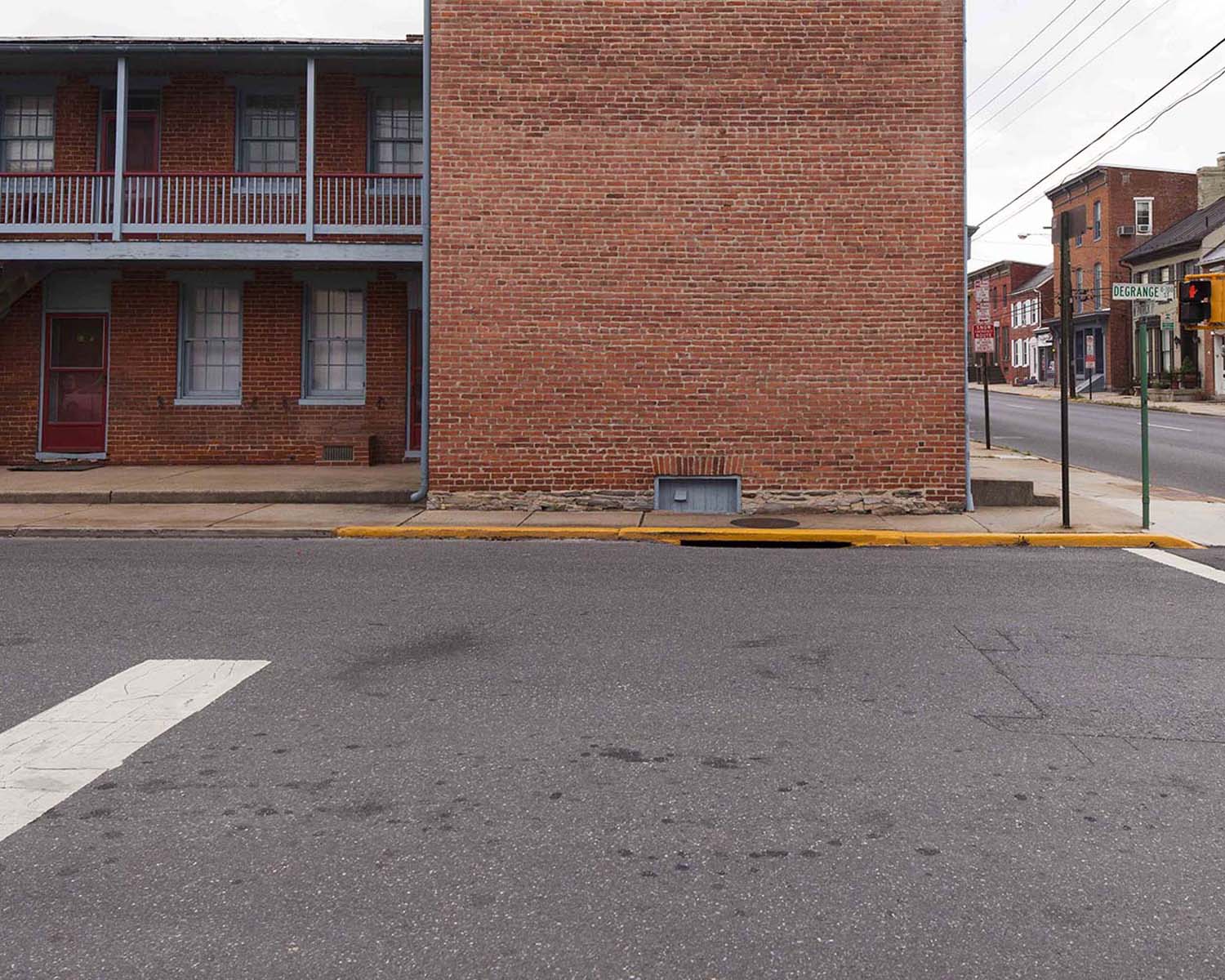
Frederick Tunnel — Frederick, Maryland A stone passage in downtown Frederick, Maryland, associated with the concealment of freedom seekers moving through the city, a major junction on routes from the Shenandoah Valley toward Pennsylvania. Frederick's free Black population, Quaker residents, and proximity to the Baltimore and Ohio Railroad made it a critical relay point for escapes.
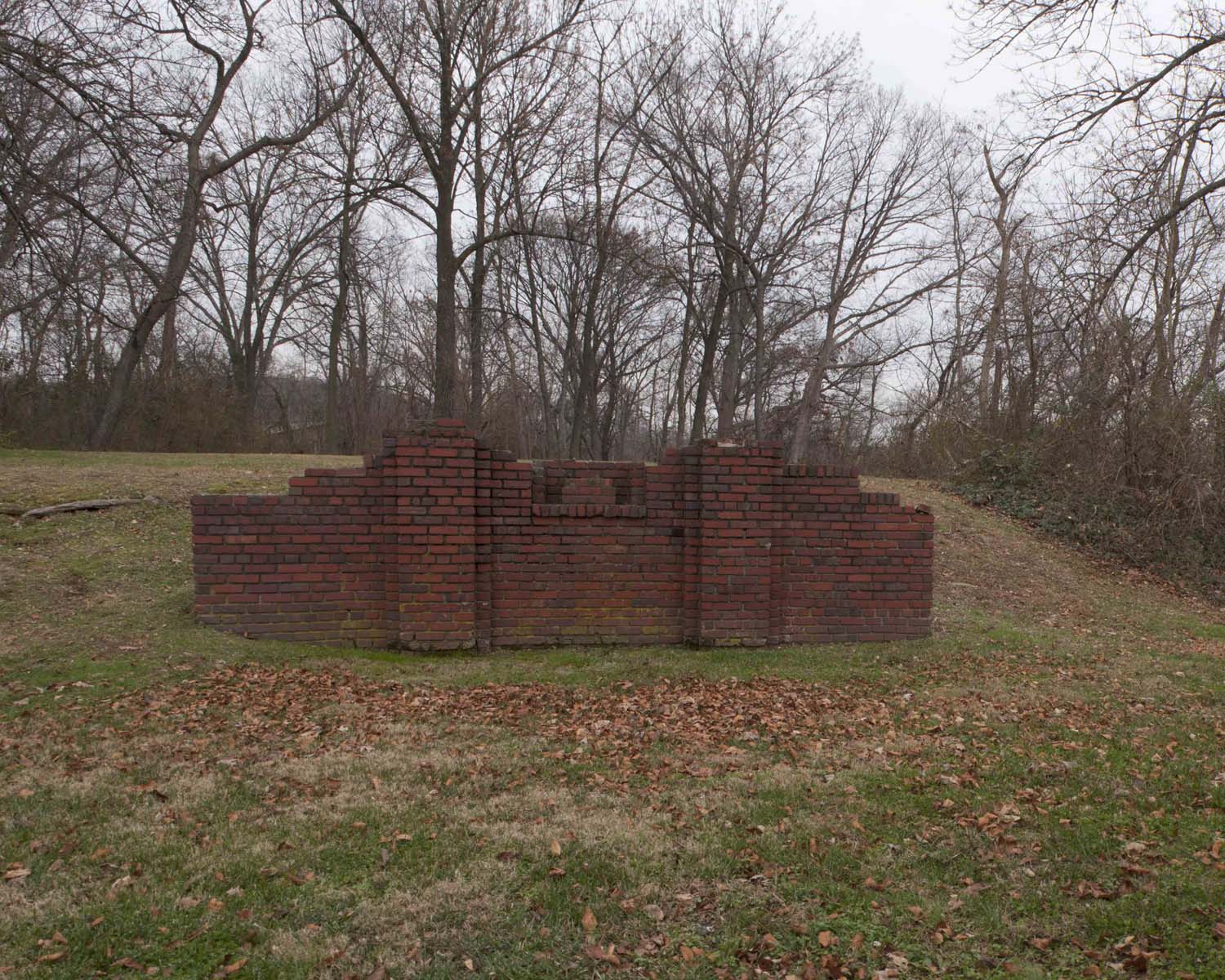
Frederick Douglass Growlery — Cedar Hill, Anacostia, Washington, DC The small stone retreat at Frederick Douglass's Cedar Hill estate in Anacostia, Washington, DC, which he called his "Growlery" and used for writing and reflection. Built late in his life, it stands as a personal monument to the formerly enslaved man who became the era's most powerful abolitionist voice.
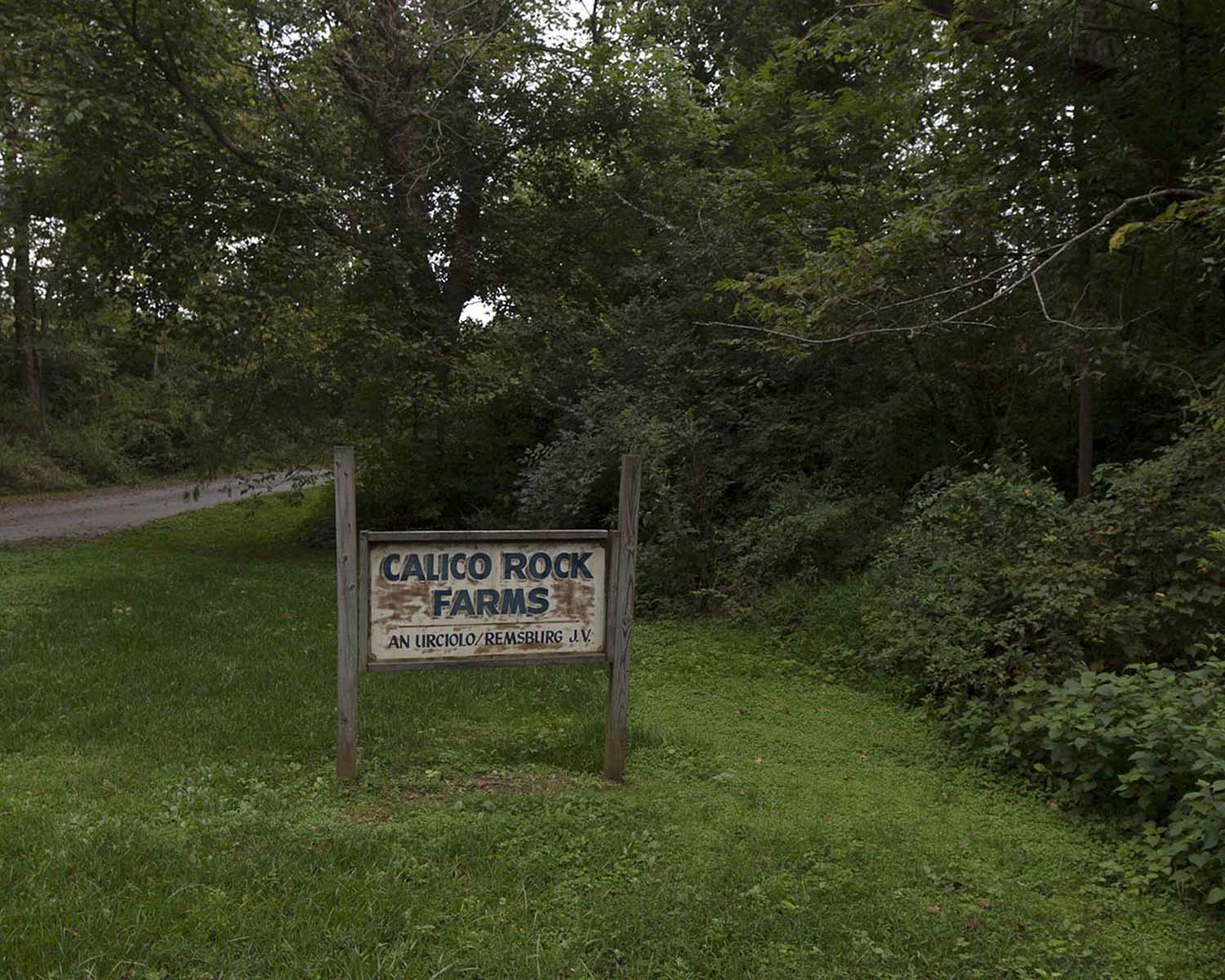
Calico Rock Farms — Frederick County, Maryland A working farm in Frederick County, Maryland, in the same Point of Rocks corridor associated with Cooling Springs and the local Underground Railroad route along the Potomac. The area takes its name from the distinctive Calico Rock that appears in nearby tombstones and historic structures.
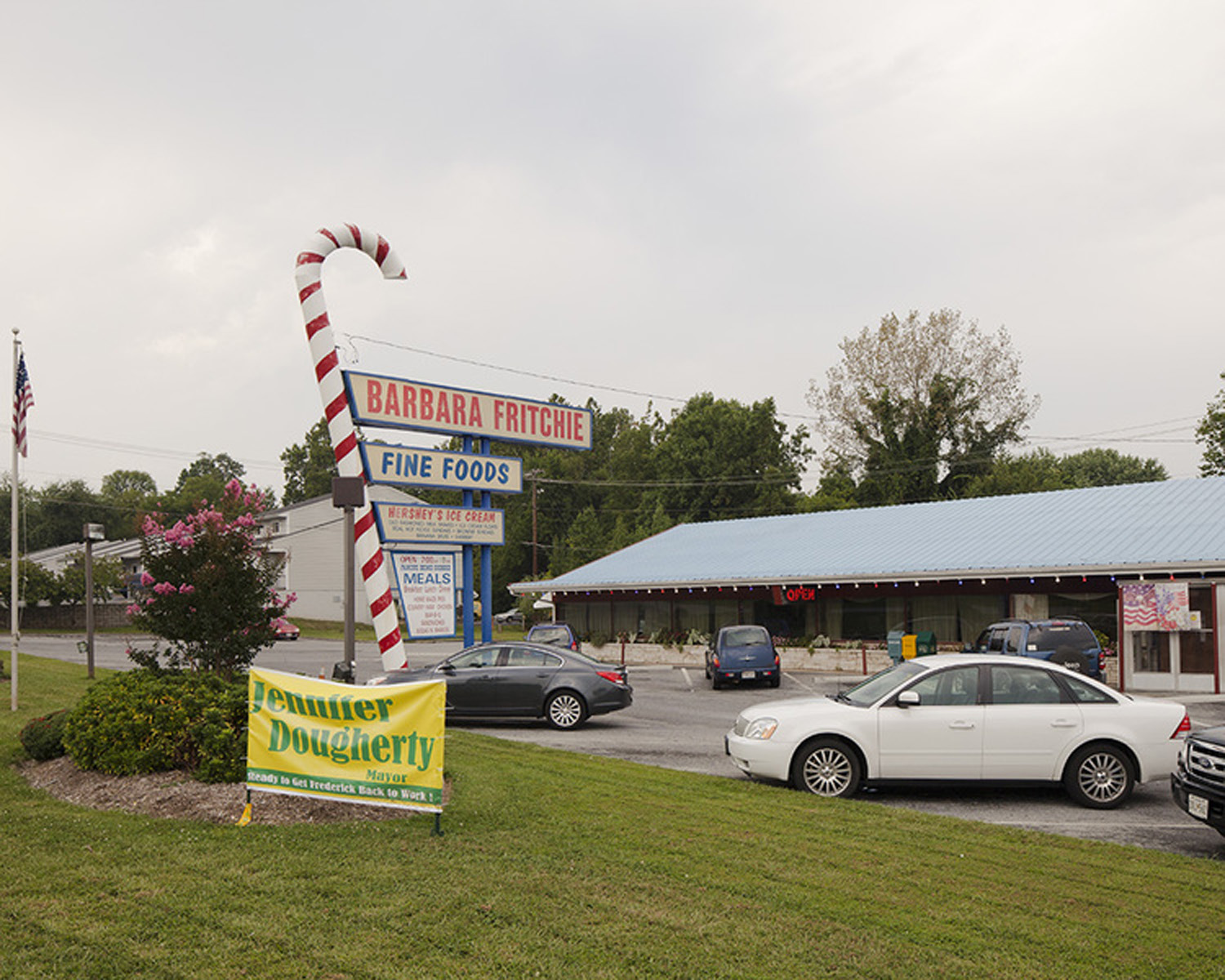
Barbara Fritchie — Frederick, Maryland The Frederick, Maryland home of Barbara Fritchie, the 95-year-old Unionist who, by legend, defied Stonewall Jackson's troops by waving an American flag from her window in 1862. Though the act itself is disputed, the story became a national symbol of Frederick's Unionist resistance during the Confederate occupation that closed Maryland's slave era.
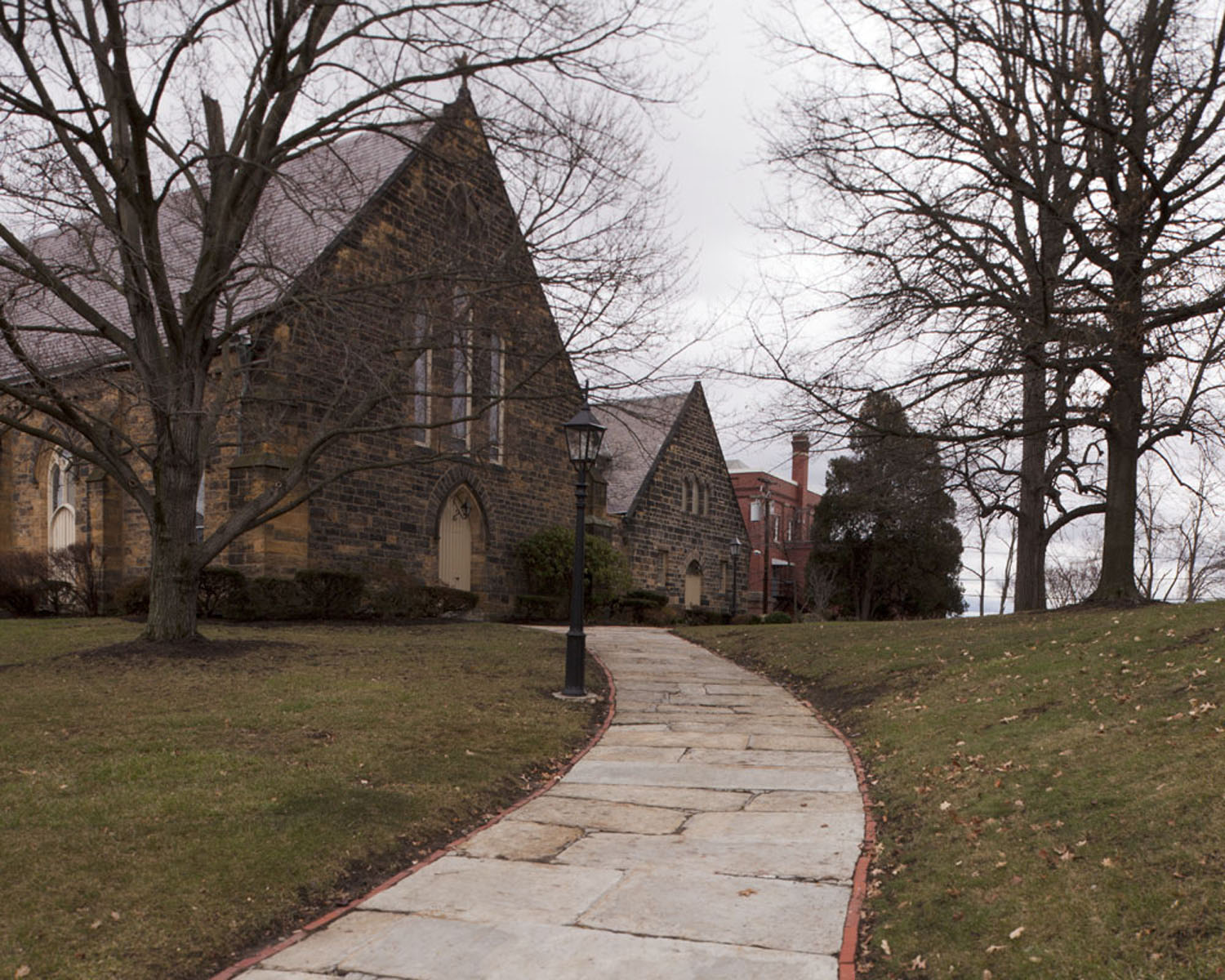
Emmanuel Episcopal Church — Cumberland, Allegany County, Maryland A Gothic church completed around 1850 atop the site of old Fort Cumberland in western Maryland. Oral histories describe tunnels connecting the church, the rectory, and the nearby Allegany Academy, used as one of the last hiding places in Maryland before freedom seekers crossed the Mason-Dixon line into Pennsylvania.
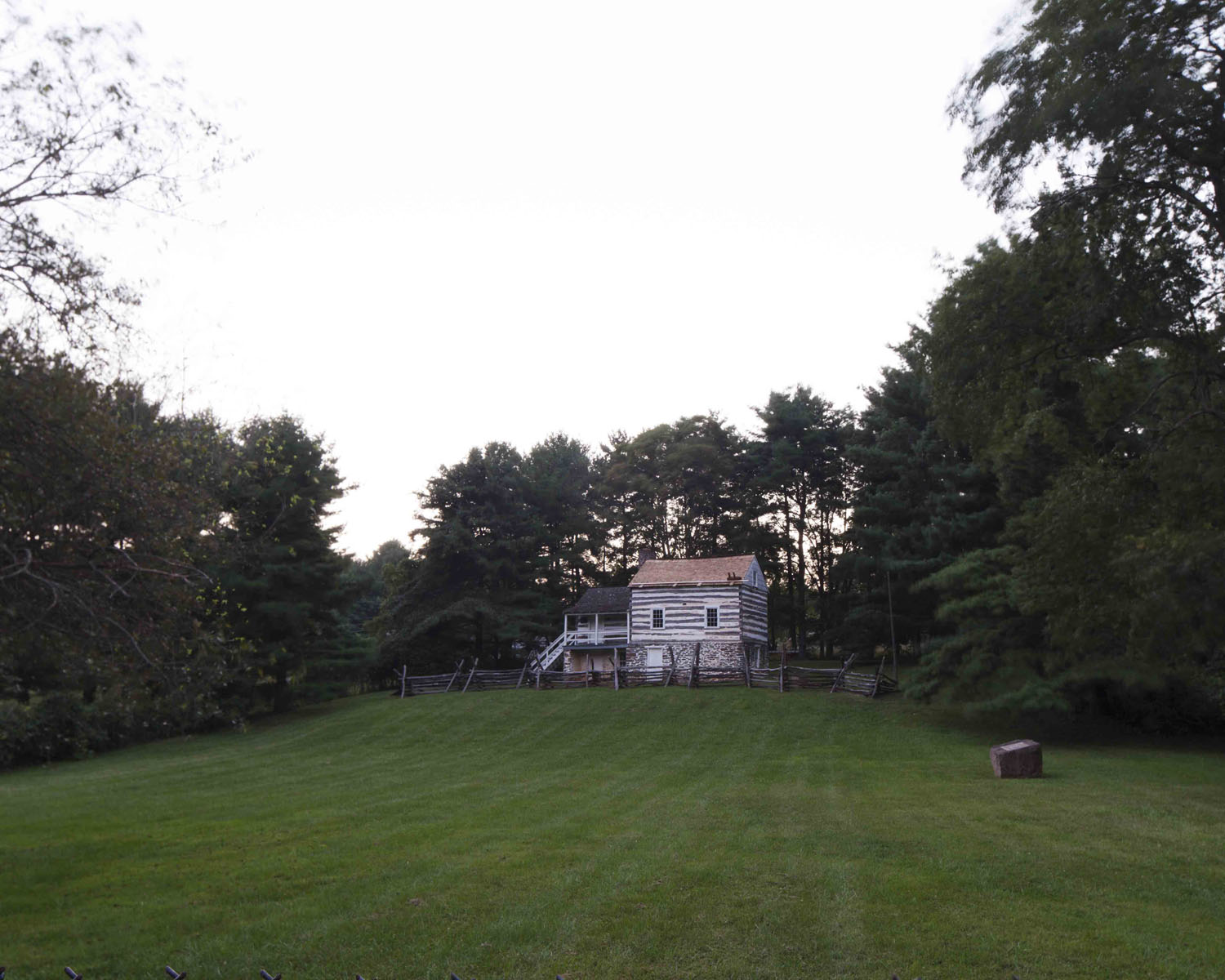
John Brown House (Kennedy Farm) — Washington County, Maryland The log farmhouse in Washington County, Maryland that John Brown rented under the alias "Isaac Smith" in 1859 as the staging ground for his October raid on the federal arsenal at Harpers Ferry. The raid sought to spark a mass slave uprising and helped accelerate the country into civil war.
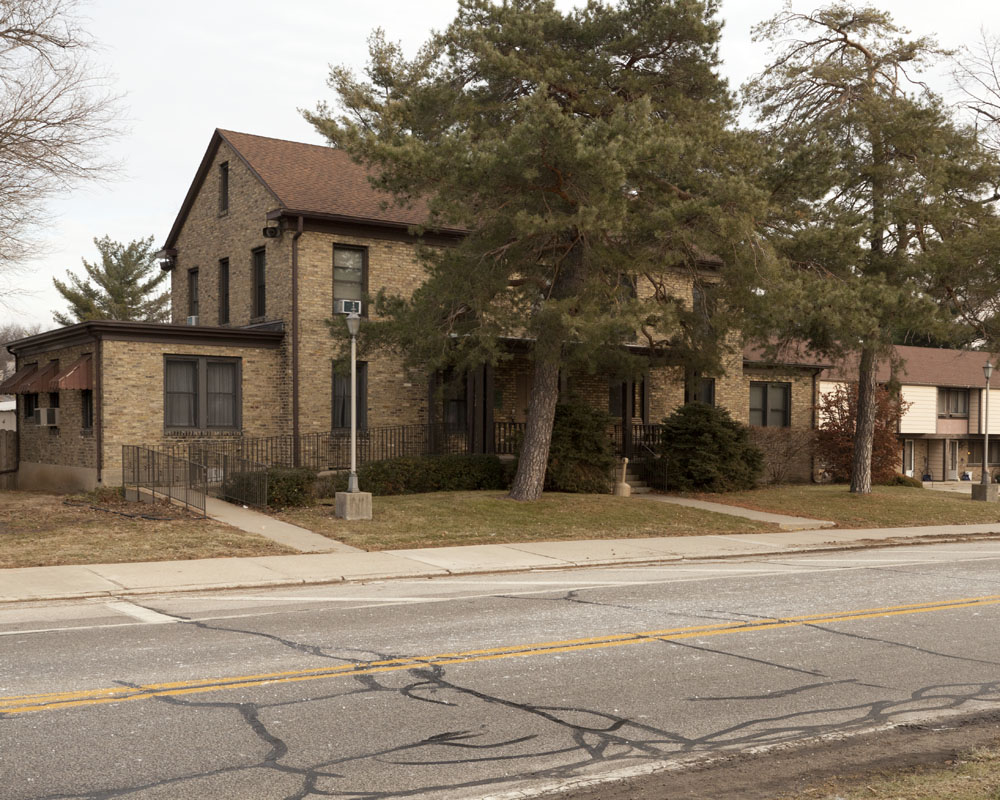
Thomas Bulla Farmhouse — South Bend, Indiana (University of Notre Dame campus) A verified Underground Railroad station on what is now the University of Notre Dame campus, active around 1856. Bulla, a Quaker schoolteacher who grew up in Richmond, Indiana alongside Levi Coffin, used his position near the Michigan Road to provide food, clothing, and shelter to freedom seekers moving toward the Michigan border and Canada.
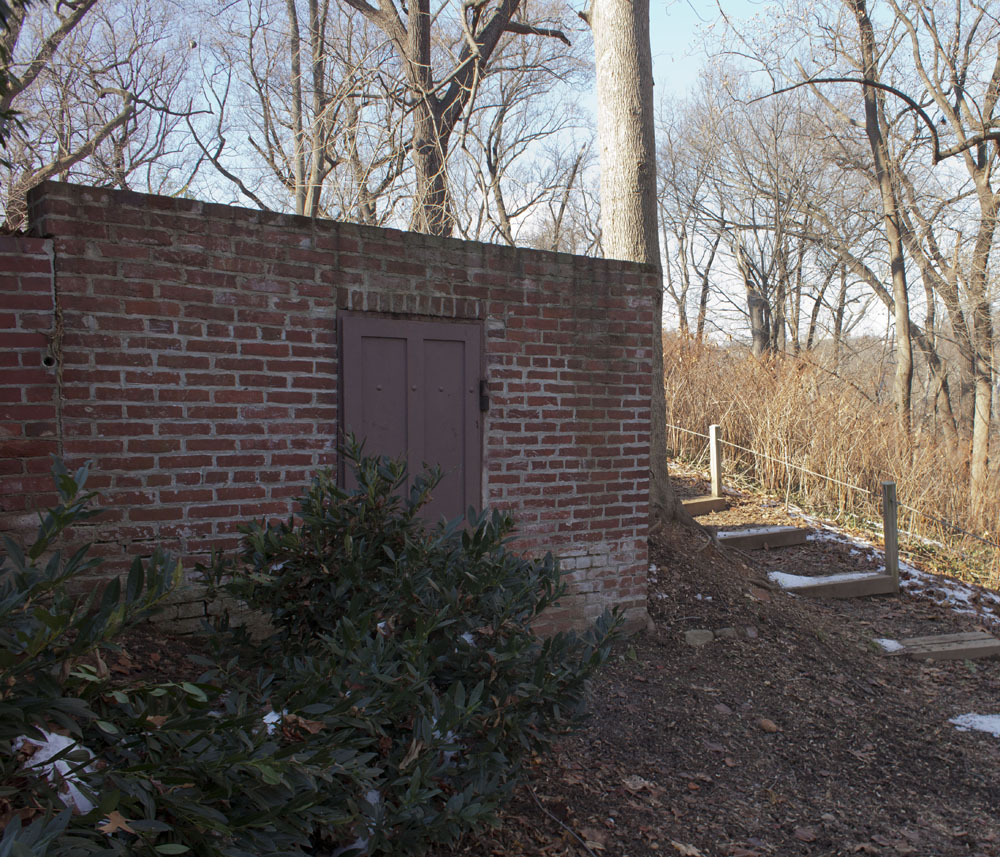
Mt. Zion Cemetery — Georgetown, Washington, DC One of Washington, DC's oldest Black burial grounds, located in Georgetown. The brick burial vault on the property is widely believed to have been used to conceal freedom seekers passing through the city, with the cemetery serving Mt. Zion United Methodist Church, the capital's oldest Black congregation.
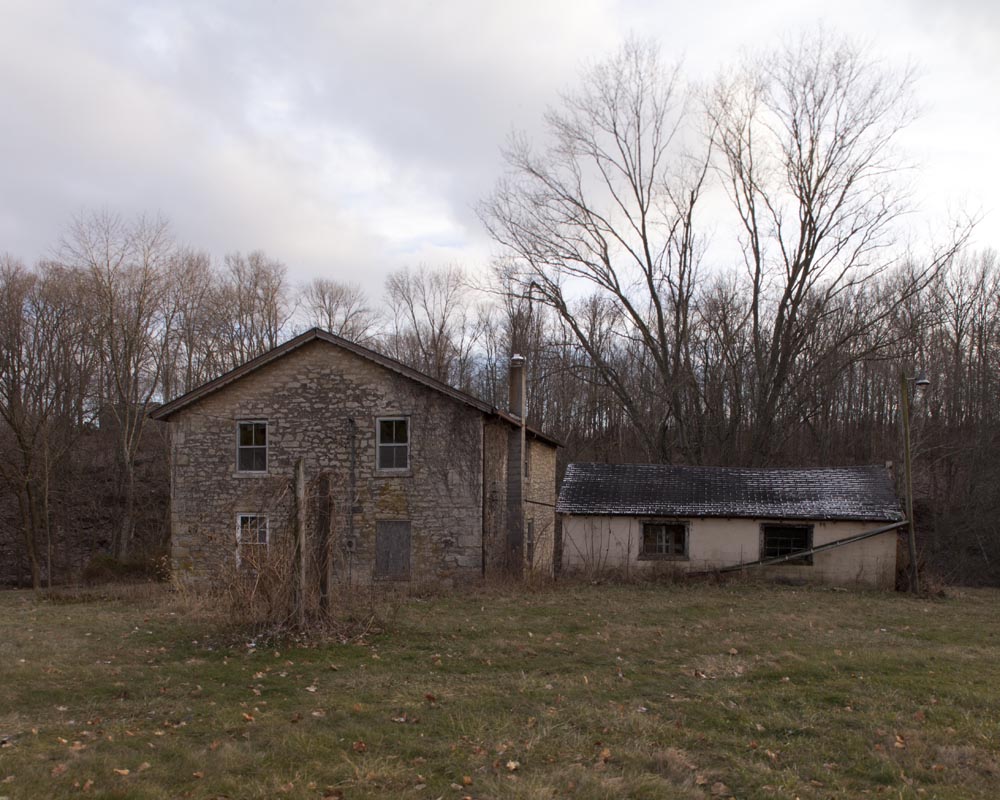
Lyman Hoyt House — Lancaster Township, Jefferson County, Indiana A circa-1850 Greek Revival limestone home in Lancaster Township, Indiana, that served as an active stop on the Underground Railroad route from Madison on the Ohio River to Indianapolis. Hoyt, a leader of the Neil's Creek Anti-Slavery Society, openly condemned the Fugitive Slave Law and personally aided fugitives moving through Jefferson County.
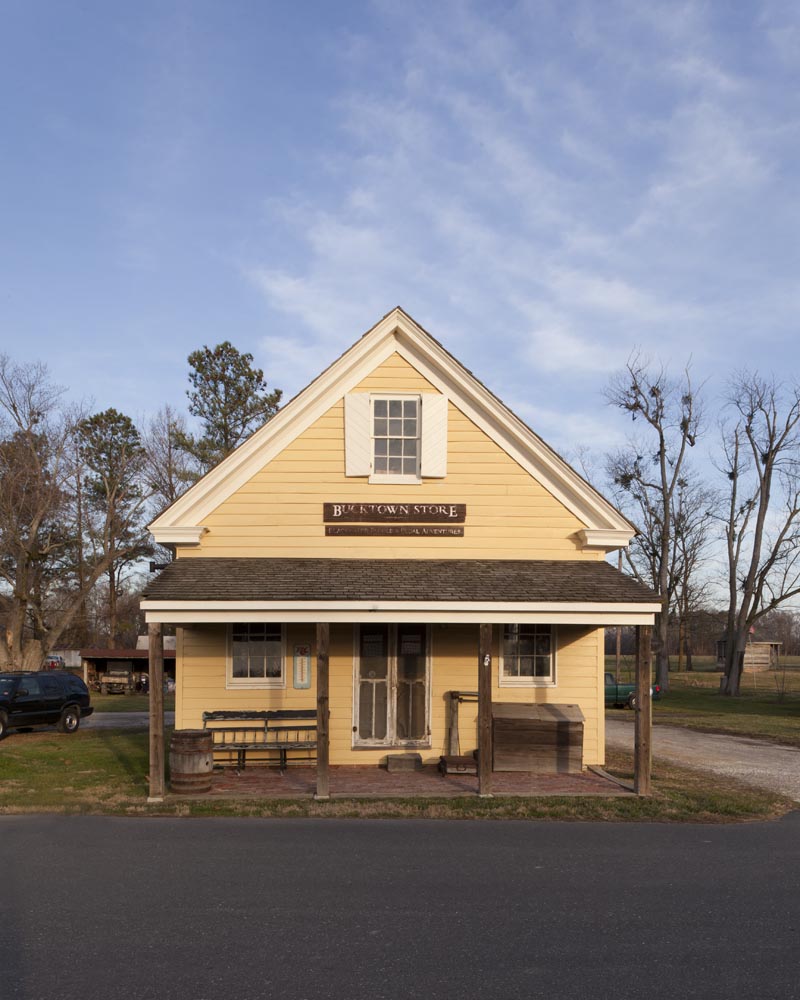
Bucktown Village Store — Bucktown, Dorchester County, Maryland The Dorchester County, Maryland general store where the young Harriet Tubman suffered the famous head injury that shaped the rest of her life, struck by a two-pound weight thrown by an overseer at another enslaved person she refused to help restrain. The blow caused the lifelong seizures and visions she later credited as divine guidance during her rescues.
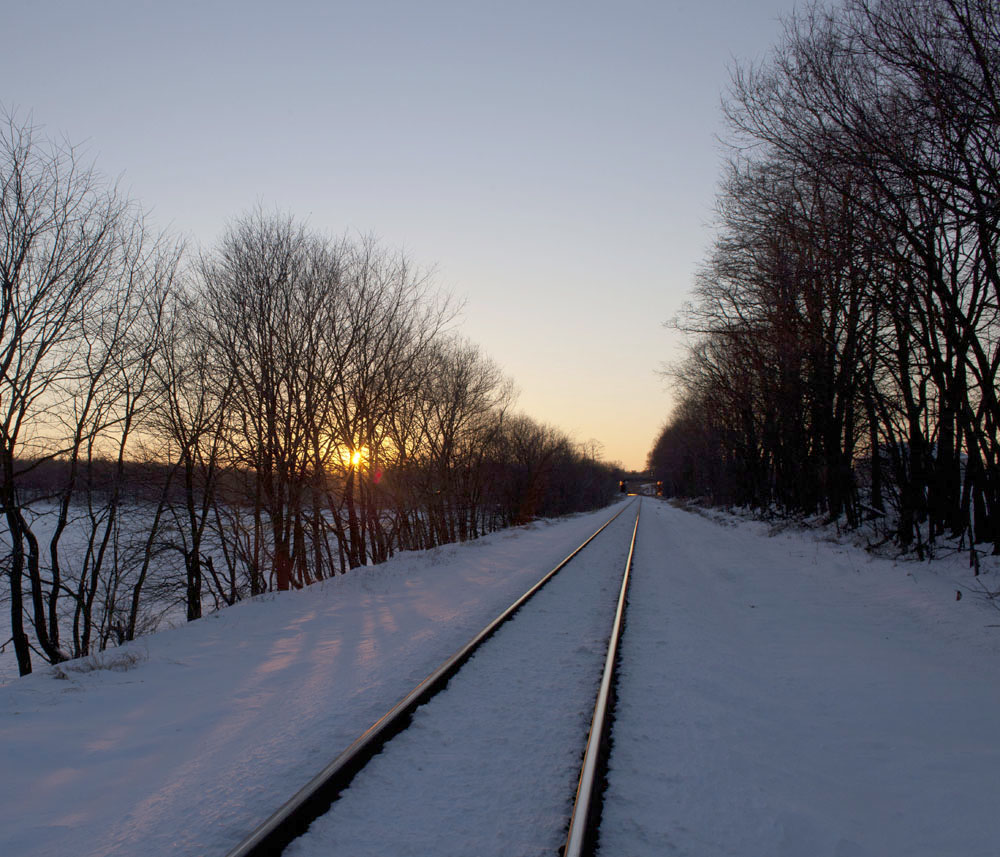
B&O Railroad — Baltimore, Maryland The Baltimore and Ohio Railroad corridor functioned as both literal and figurative path to freedom. Freedom seekers sometimes stowed away in freight cars, and Frederick Douglass famously escaped slavery in 1838 by boarding a northbound train at Baltimore's President Street Station disguised as a sailor.
1/22